
WORLD ECONOMIC FORUM 2026, Davos, Switzerland
WORLD ECONOMIC FORUM 2026, Davos, Switzerland
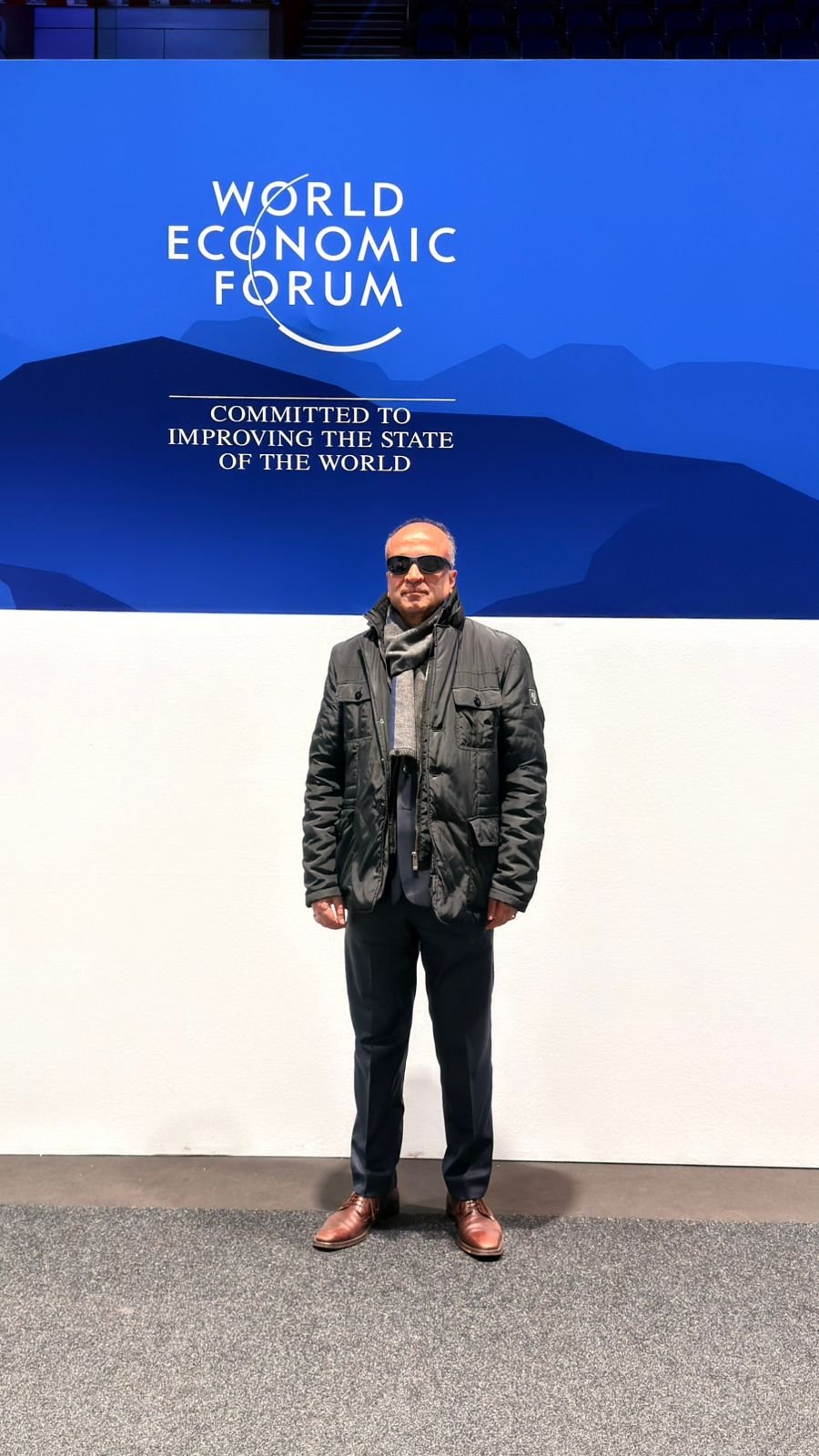
Ali Moosavi, President of Benevolent Trust, represented the Indian delegation at the World Economic Forum (WEF) articulating the ecological challenges faced by Indian harvesters. At the World Economic Forum (WEF) Annual Meeting 2026 in Davos, themed “A Spirit of Dialogue,” global leaders and policymakers centered conversations on navigating pressing economic and environmental realities. Grounded in… Continue reading WORLD ECONOMIC FORUM 2026, Davos, Switzerland
Ali Moosavi, President of Benevolent Trust, represented the Indian delegation at the World Economic Forum (WEF) articulating the ecological challenges faced by Indian harvesters.
At the World Economic Forum (WEF) Annual Meeting 2026 in Davos, themed “A Spirit of Dialogue,” global leaders and policymakers centered conversations on navigating pressing economic and environmental realities. Grounded in the WEF Global Risks Report 2026, discussions underscored that while short-term geopolitical and economic shocks dominate immediate headlines, long-term environmental threats—such as extreme weather events, biodiversity loss, and critical shifts in Earth systems—remain the most severe risks facing humanity.
Globally, the dialogue highlighted a paradigm shift toward climate adaptation and resilience. Private-sector and civil-society leaders emphasized that building sustainable infrastructure, safeguarding water supplies, and securing agricultural supply chains are no longer mere risk-mitigation measures, but essential economic investments. Intersecting issues—such as the impact of climate change on public health and community stability—took center stage, driving calls for scaled-up green finance and public-private partnerships.
For India, Davos 2026 provided a prominent platform to showcase its dual mandate: driving rapid economic expansion while advancing high-stakes ecological transitions. Discussions involving Indian delegates focused heavily on scaling renewable energy infrastructure, accelerating green hydrogen production, and managing urbanization challenges. Key panels addressed India’s vulnerability to severe monsoon fluctuations, heatwaves, and air quality degradation, framing climate adaptation as critical to protecting livelihoods and agricultural output. India’s proactive initiatives—such as expanding digital public infrastructure for climate risk management and fostering sustainable supply chains—were positioned as scalable models for the Global South. Ultimately, the deliberations at Davos reinforced that sustainable global growth hinges on localized, high-impact environmental action.